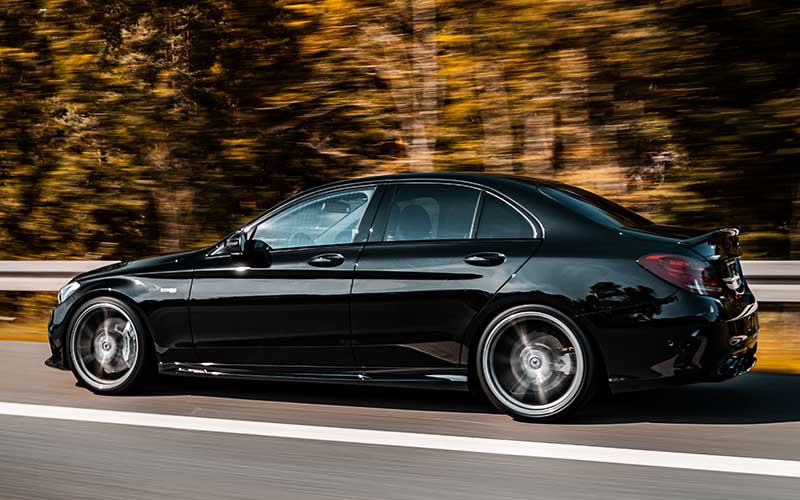
The Mercedes-Benz W205 C-Class, produced from 2014 to 2021, is one of the most popular modern Mercedes models. It brought a significant improvement in interior quality, technology and driving dynamics compared with its predecessor, while offering a wide range of petrol, diesel, hybrid and AMG powertrains.
However, like any modern car, the W205 is not completely trouble-free. As these cars age and accumulate mileage, certain components tend to cause problems more frequently than others. The good news is that many of the common W205 issues are predictable and, if caught early, relatively straightforward to repair.
Here are five of the most common things that can break or cause problems on a Mercedes-Benz W205.
1. Suspension Components
The suspension is one of the areas that can start showing its age relatively early, particularly on cars driven on poor-quality roads or equipped with larger wheels.
Front control arms, ball joints, bushes and stabilizer links can develop play or become worn. Typical symptoms include knocking noises over bumps, vague steering, uneven tyre wear or a feeling that the car is no longer as tight and precise as it once was.
Rear suspension components can also develop wear, although front-end problems tend to be more noticeable. Cars equipped with Mercedes’ more sophisticated suspension systems can potentially have additional components that become expensive when they fail.
When buying a used W205, listen carefully for suspension knocks during a test drive and have the car inspected on a lift. A relatively inexpensive worn bush can sometimes be mistaken for a much more serious suspension problem.
2. Thermostat and Cooling-System Problems
Cooling-system components are another area worth watching, particularly as the W205 gets older.
Thermostats can become stuck open or closed, causing the engine to run either too cool or too hot. A thermostat that remains open can result in slow warm-up, poor fuel economy and an engine that struggles to reach its normal operating temperature. A thermostat stuck closed is much more serious because it can contribute to overheating.
Coolant leaks are also possible from hoses, connections, water pumps and other components depending on the particular engine.
One important warning sign is unexplained coolant loss. If you regularly need to top up the coolant, don’t simply treat it as normal maintenance. The cooling system should be pressure-tested to identify the source of the leak.
3. Engine Mounts
Engine mounts are designed to isolate engine vibrations from the vehicle’s body. As they deteriorate, the W205 can develop noticeable vibration, particularly at idle.
A worn engine mount may cause the steering wheel, seats or dashboard to vibrate more than usual. You may also notice a thump or movement when shifting between reverse and drive on automatic-equipped cars.
The exact failure rate depends on the engine and how the vehicle has been used, but engine mounts are a component worth checking on higher-mileage examples.
Replacing them isn’t usually one of the most catastrophic repairs, but the cost can add up if several mounts require replacement at the same time. A proper inspection can also prevent you from confusing normal diesel-engine characteristics with an actual mounting problem.
4. Electronic and Infotainment Issues
The W205 contains considerably more electronics than older Mercedes models, and that means there are more potential points of failure.
Problems can range from minor issues with infotainment functions to faulty sensors, parking systems, cameras, electric windows or communication between different control modules.
The COMAND infotainment system itself is generally sophisticated, but age-related problems can appear. Some owners may experience intermittent screen issues, connectivity problems or glitches with Bluetooth and navigation.
Battery condition is particularly important in modern Mercedes vehicles. A weak battery or charging-system problem can sometimes trigger a surprising number of unrelated warning messages because multiple electronic systems are sensitive to voltage fluctuations.
For this reason, if a W205 suddenly displays several warning lights at once, don’t immediately assume that multiple expensive components have failed. Checking the battery, alternator and vehicle fault codes is a sensible first step.
5. Timing-Chain and Engine-Specific Problems
The final category is perhaps the most important: engine-specific mechanical issues.
The W205 was offered with numerous engines, and their reliability characteristics are not identical. Certain petrol and diesel engines can develop timing-chain, tensioner, oil-leak or other mechanical problems as mileage increases.
A timing chain is not automatically a “lifetime” component simply because Mercedes doesn’t specify a routine replacement interval for every engine. Chain stretch or tensioner problems can eventually produce rattling noises, particularly during cold starts.
Ignoring unusual engine noises can turn a relatively manageable repair into a major engine rebuild. This is why a cold-start inspection is extremely valuable when buying a used W205. Listen for abnormal rattling, ticking or knocking and check the service history for evidence of regular oil changes.
It’s also important to identify the exact engine fitted to the car before researching common faults. A C200, C220d, C300 and AMG model can have very different mechanical weak points.
The Mercedes-Benz W205 is generally a sophisticated and enjoyable car, but age and mileage inevitably bring maintenance requirements. Suspension wear, cooling-system components, engine mounts, electronic problems and engine-specific mechanical issues are among the areas owners should pay particular attention to.
The most important thing is not to assume that every W205 will suffer from all of these problems. Maintenance history, engine choice, mileage, driving conditions and previous repairs can make a significant difference.
If you’re considering buying one, a pre-purchase inspection is money well spent. Checking the suspension, scanning the electronic systems for stored fault codes, inspecting the cooling system and listening to the engine during a cold start can reveal problems that aren’t obvious during a short test drive.
A well-maintained W205 can still make an excellent used luxury car. The key is understanding its common failure points and budgeting for preventative maintenance rather than waiting for a relatively small problem to become an expensive one.