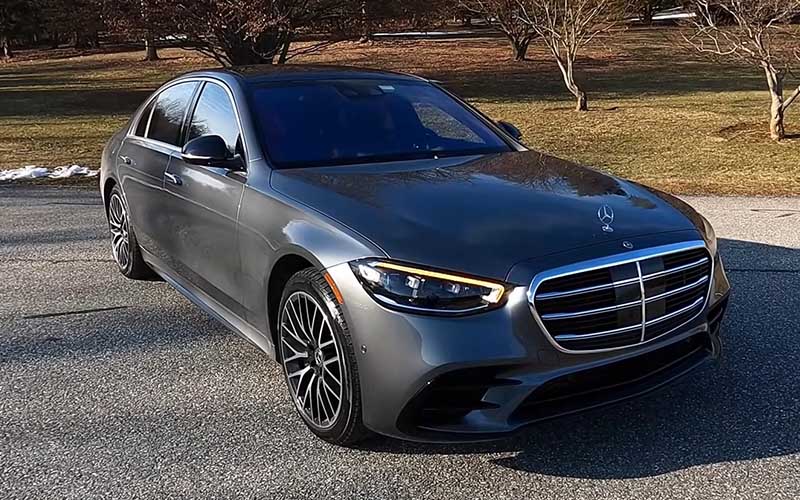
The Mercedes-Benz W223 S-Class, introduced in 2020, represents a major step forward in luxury, comfort, and automotive technology. With its advanced MBUX infotainment system, sophisticated suspension, mild-hybrid powertrains, and extensive driver-assistance features, it delivers the premium driving experience expected from Mercedes-Benz’s flagship saloon.
However, this level of engineering complexity comes with a downside: when something goes wrong, repairs can be expensive. Although the W223 is not known for one universal mechanical weakness affecting every vehicle, owner complaints and specialist repair reports highlight several areas worth checking, particularly on early production models.
Here are five common problem areas to watch for when buying or maintaining a Mercedes-Benz W223 S-Class.
1. MBUX Infotainment and Electrical Problems
One of the most frequently discussed problem areas on the W223 is its extensive electronic systems. The large central touchscreen, digital instrument cluster, navigation, connectivity features, and electronically controlled comfort functions all rely on complex software and control modules.
Some owners report frozen screens, slow system responses, intermittent connectivity, malfunctioning cameras, and warning messages that appear without an obvious mechanical fault. Driver-assistance features can also generate alerts or temporarily become unavailable when sensors or electronic systems experience problems.
In some cases, a software update or system reset resolves the issue. In others, diagnosis may reveal a faulty control unit, sensor, wiring connection, or power supply.
Symptoms to watch for: Black screens, repeated system restarts, missing vehicle settings, malfunctioning parking cameras, and persistent electronic warnings.
Before replacing expensive components, a Mercedes specialist should perform a complete diagnostic scan and check for available software updates. Problems that appear minor can become costly if multiple control modules are replaced unnecessarily.
2. AIRMATIC Air Suspension and E-ACTIVE BODY CONTROL
The S-Class is renowned for its exceptionally smooth ride, but its sophisticated suspension system is also a potential source of expensive repairs. Depending on the specification, the W223 may use AIRMATIC air suspension or the more advanced E-ACTIVE BODY CONTROL system.
Over time, air springs, suspension struts, compressors, valves, sensors, and associated electronic components can develop faults. Leaks may allow the vehicle to lose ride height, while worn or malfunctioning components can affect comfort and handling.
A vehicle that sits lower on one corner after being parked overnight deserves particular attention. Other warning signs include suspension alerts, unusual noises over bumps, inconsistent ride height, and a compressor that runs excessively.
Symptoms to watch for: Uneven ride height, suspension warnings, excessive bouncing, unusual knocking sounds, or a noticeable deterioration in ride comfort.
Suspension faults should be diagnosed promptly. An air leak can force the compressor to work harder than intended, potentially turning a relatively contained repair into a more expensive one. Buyers should have the suspension inspected in both raised and lowered settings, where applicable, and check for evidence of previous repairs.
3. The 48-Volt Mild-Hybrid System
Many W223 powertrains incorporate a 48-volt electrical system and an integrated starter-generator. This technology supports smooth engine restarting, improved efficiency, and additional electrical functions, but it introduces components that require specialist diagnosis.
Depending on the engine and model year, faults can involve the starter-generator, battery-management system, 48-volt battery, associated wiring, or control electronics. Symptoms may include battery warnings, start-stop malfunctions, difficulty starting, or messages indicating that certain vehicle functions are unavailable.
Not every electrical warning indicates a failed starter-generator. A weak 12-volt battery, charging-system fault, poor connection, or software issue can produce similar symptoms.
Symptoms to watch for: Repeated battery warnings, intermittent starting problems, charging faults, and unexplained electrical shutdowns.
If a W223 displays a 48-volt system warning, it is important to have the vehicle tested using appropriate Mercedes-Benz diagnostic equipment. Avoid replacing batteries or hybrid components based solely on dashboard messages. On a luxury vehicle with extensive electronic equipment, identifying the actual cause is essential to controlling repair costs.
4. Retractable Door Handles and Rear-Axle Steering
The W223 introduced a more modern exterior design, including flush-fitting, electrically operated door handles on equipped models. While these handles contribute to the car’s clean appearance, their motors, sensors, and mechanical components add potential failure points.
Some owners report handles that fail to extend correctly, retract inconsistently, or extend without allowing the door to open as expected. Cold or wet conditions may make intermittent problems particularly frustrating, although the cause can vary between vehicles.
Rear-axle steering, fitted to certain specifications, is another system worth checking. It improves manoeuvrability at low speeds and stability at higher speeds, but faults involving sensors, control modules, electrical communication, or steering components can trigger warning messages. Knocking noises from the rear axle steering system also warrant investigation.
Symptoms to watch for: Door handles that stick or respond inconsistently, restricted steering-angle warnings, unusual rear-end noises, and reduced manoeuvrability.
During an inspection, lock and unlock the car several times and test every door individually. If rear-axle steering is fitted, check that it operates correctly and that no warning messages appear. A diagnostic scan can help distinguish a software problem from a mechanical or electrical failure.
5. Braking System and Other Safety-Related Components
Although the W223’s braking system is designed to provide strong, controlled stopping performance, brakes and related components still require careful inspection. The car’s substantial weight, powerful engines, and large wheels can contribute to expensive routine brake servicing, particularly if the vehicle is driven aggressively or mainly in heavy traffic.
More importantly, certain W223 vehicles have been subject to safety recalls involving specific components. For example, a recall announced in 2025 covered certain 2021–2023 model-year vehicles because front brake hoses could deteriorate and leak brake fluid. The affected vehicles and applicable remedies depend on the vehicle identification number (VIN). Recall details.
Other areas to inspect include brake discs and pads, tyre condition, wheel damage, and the operation of driver-assistance systems. A warning from the automatic emergency braking or collision-avoidance system should never be dismissed without investigation.
Symptoms to watch for: Brake-fluid warnings, a soft brake pedal, vibration under braking, uneven tyre wear, and persistent driver-assistance alerts.
A qualified workshop should inspect the braking system and verify that all outstanding safety recalls have been completed. Recall repairs are generally performed free of charge by the manufacturer when the vehicle is covered by the relevant campaign.
Is the Mercedes-Benz W223 S-Class Reliable?
The W223 remains an impressive luxury saloon, but its reliability depends on the individual vehicle, its engine and equipment, maintenance history, and previous repairs. Early production cars may be more susceptible to software-related issues, while sophisticated suspension and electrical systems can become expensive as components age.
These five categories should be treated as inspection priorities rather than faults that every W223 will experience. Public complaint records and specialist reports identify potential problem areas, but they do not establish that every issue is widespread across the entire model range.
Before buying a used example, arrange a comprehensive pre-purchase inspection with a Mercedes-Benz specialist. Check the service history, scan all control modules for stored faults, test the suspension and electronic features, and verify the vehicle’s recall status using its VIN.
A well-maintained W223 S-Class can deliver outstanding comfort, performance, and refinement. The key is to buy on condition and documented maintenance rather than mileage or appearance alone. A seemingly attractive purchase price can quickly lose its appeal if the car has unresolved electronic faults, suspension problems, or outstanding safety recalls.